
Deep dive
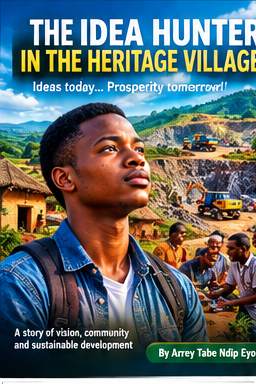
By the fourth month of the new ventures, Nchemti's marketplace had changed. What had long served as a gathering place was becoming a center of production and exchange.
Villagers arrived with goods their quarters had worked to produce. Visitors came to see what this new arrangement was making possible.
The North and West Quarters
The North Quarter brought grain, fruit and other crops. Stalls that once depended on income drawn from stone now displayed the results of cultivation.
The West Quarter brought vegetables: tomatoes, okra, cabbages and other produce from land its residents had organized to work. The two quarters offered different contributions while sharing an interest in healthy soil and reliable growing methods.
Animals, Soap and Oil
The East Quarter supplied livestock, milk and eggs. Buyers came for food and animals that could strengthen their own households' production.
The South Quarter displayed handmade soap. Its work connected craft and practical household need. The Central Quarter brought oil used in cooking and soap making.
The quarters were not separate islands. What one produced could become an input for another. Animal products, agricultural materials and production by-products moved between them, creating connections within the village's work.
Exchange with a Shared Purpose
Buyers and sellers negotiated prices and compared goods. Conversations passed between stalls, and the marketplace became a place to learn as well as trade.
Each quarter could see that its success depended partly on the others. Producers were customers too. Their work circulated through a network that kept more activity inside Nchemti.
An Idea Made Visible
For Affue, the marketplace offered something the notebooks alone could not: evidence of people acting on their plans. Training had become production, and production had become exchange.
The arrangement still required effort and coordination. But it gave the village a visible alternative to waiting for a company payment.
Its new wealth was not merely the goods laid out on the stalls. It was the ability to organize different skills into something useful together.
What do you think?
Join the conversation
What does this idea reveal to you—and where do you see it differently?
Sign in through your account to add a response. Reading remains open to everyone.
Join the Human Voice newsletter
Join us for exclusive ideas, stories, music and new releases.
No spam. Unsubscribe anytime.
About the creator
Created by Arrey Tabe Ndip Eyong
Original human ideas shaped into stories, music, writing and visual experiences.
Meet the creator